


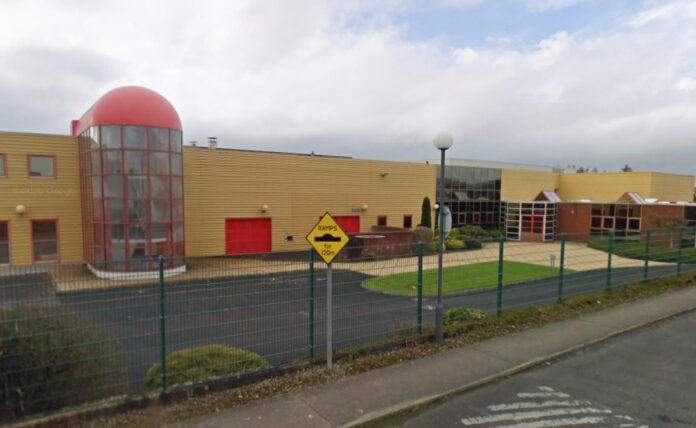
SIPTU representatives were to meet with management of Limerick manufacturing plant, Kostal, this week in an effort to “minimise compulsory redundancies” for up 150 members of its workforce.
The Abbeyfeale plant announced its decision to move one of its production lines overseas last September and reduce its workforce after staff were issued with a letter outlining the changes.
Kostal announced in October 2024 that it was looking to reduce its workforce by 60 after staff were issued with a letter outlining the changes.
Employees were informed last week that the company has agreed in principle to transfer overseas the production of its OBCs (onboard chargers), units that allow electric cars to charge from the electricity grid.

SIPTU organiser Eva Mitchell said that Kostal “informed the Union and workers of further details of its intention to move production of OBCs, on-board chargers, to another of its plants overseas late last year. The decision caused much unease and shock among our members, who have been loyal workers for the German-owned company.”
To date, SIPTU says it has been informed by the company some of the detail surrounding the planned move, but say it is “still incomplete”.
The union says it also intends to contact the Enterprise and Employment Minister Peter Burke and the IDA to seek their engagement in the process and protect “as many of the high-quality jobs provided by the plant as possible”.
Kostal say “fuller details” for workers about the OBC transfer are expected early next month, including “headcount implications” and “timelines associated with the transfer”.
Last year, 97 voluntary redundancies were accepted at the company, which employs more than 420 staff at its West Limerick base.
The move has been described as “a hammer blow” for workers and families across Limerick.
Sinn Féin Senator Joanne Collins hit out following the news last September, saying at the time that “Kostal is a crucial business for the footfall of Abbeyfeale and the wider region”.
“Every job lost here will be felt in our shops, schools, sports clubs, and communities. This is not just about a factory, it’s about the survival of small towns in Limerick that depend on these wages to keep local economies alive.”