


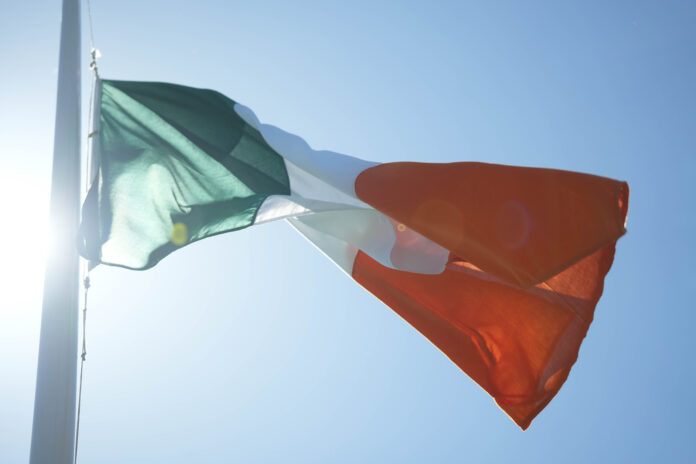
LIMERICK woman Natasha O’Brien, who recently led a campaign for justice for victims of violence, is now fighting to reclaim the Irish tricolour, which she and others have argued has been hijacked by far-right agitators bent on using the flag to spread hate and intimidate immigrants and minority communities.
Ms O’Brien, who first stepped into the spotlight after she spoke out having survived a horrific assault in May 2022, and later successfully campaigned to have her attacker, former Irish soldier Cathal Crotty, jailed after he was initially given a suspended sentence, is turning pain into purpose by spear-heading the ‘#OurFlag’ social media campaign in Limerick.
“When I spoke out last year against the injustice that I faced in the (judicial) system, I witnessed people from across the nation come together in communities to stand behind me and support me, so I really feel that is what the Irish flag represents,” she explained.
“That message of love and inclusion and unity is so important to me and that is why I have got involved to reclaim the flag.”
The campaigner said that the “flag is the orange and the green coming together, it symbolises that, while we live together in this nation and while we may not agree on everything, we all live in a community of peace and harmony, and I think we need to reinforce that at a time when we are living in more uncertain times.”
Ms O’Brien said that “there is a rise in hatred and racism, so it was really important to me to get involved and promote the positivities of our community”.
Ireland is grappling with rising social tensions and economic strains, but Natasha says people “should do all they can take a stand against the division and hatred our flag has been used for in recent times”.
“I know there are so many, like myself, that are aware of the urgent need to combat the misuse of our flag, so this campaign is just all about taking a collective stand together to reclaim our flag for what it truly represents, which is peace and unity.”
Launched last month December, #OurFlag has called on people to post photos and short videos with the tricolour, using the hashtags #OurFlag, #LoveNotHate, and #EireLeChéile.
Musicians, artists, and celebrities have joined in too, turning the campaign into a blend of civic action and cultural expression.
For O’Brien, the campaign is not only “deeply personal”, but also fiercely political in the most human sense of the word.
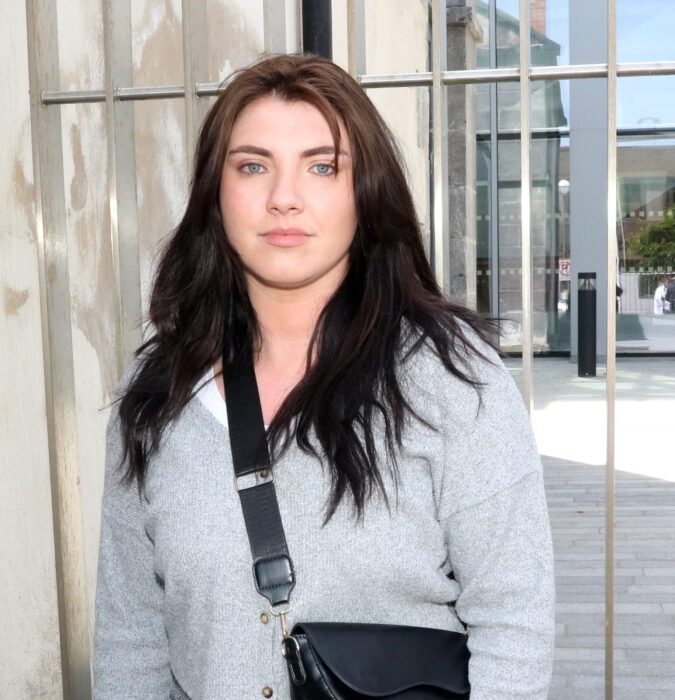
She knows what it is like to feel unprotected and so she says she wants justice for those who want to feel safe in their own country or those who have come to Ireland to start a better life.
“For me, our flag means peace, unity, and community, and if you call Ireland your home, the tricolour is your flag, it is all our flag, it is an emblem of peace and brotherhood between the various communities that live on the island of Ireland.”
O’Brien’s activism has become a direct response to these growing concern across Ireland about a rise in hate-fueled rhetoric and violence aimed at migrants and refugees, alongside unease about how the national flag is sometimes used not to welcome, but to exclude.
She and others in the campaign have argued that people’s frustration around issues such as housing, health, and the economy are being misdirected, and often toward some of the most vulnerable people in Irish society.
More than 20 major organisations — alongside figures from sport, culture, politics and, media — have pledged to share messages of inclusion tied to the campaign, reinforcing the idea that Ireland’s values of solidarity and welcome still run deep.
For O’Brien, who first found her public voice through speaking out after surviving violence, the symbolism matters, and it’s about who gets to belong.