


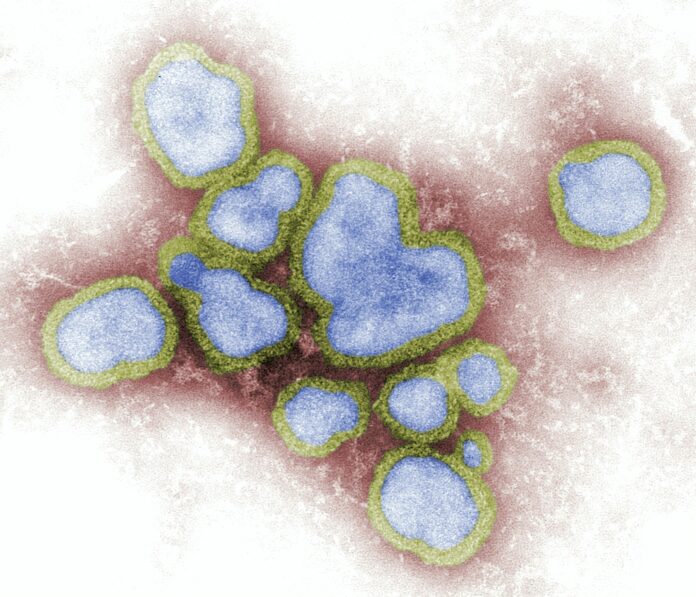
NUMBERS of people who are being laid low by the winter vomiting bug – norovirus – have risen by half so far this year and the HSE is appealing to people to avoid spreading the highly infectious disease.
This time of year brings an increase in seasonal illnesses such as norovirus. While these illnesses are unpleasant but mild for many, they can be very serious for older adults, young children, and people with underlying health conditions, the HSE has warned.
Dr Paul McKeown, consultant in Public Health Medicine at HSE National Health Protection said that “norovirus cases have been at high levels in recent weeks and outbreaks in hospitals have increased. It’s not always possible to avoid getting norovirus, but you can help stop the virus spreading.”
“Wash your hands frequently and thoroughly with soap and water. Stay off work or school for at least 48 hours after your symptoms have passed. You should avoid visiting anyone in hospital or care homes, or going out to socialise while sick, and for 48 hours afterwards.”

The seasonal surge in winter viruses puts extra pressure on health and care services.
Dr Eimear Brannigan, HSE national clinical lead for antimicrobial resistance and infection control (AMRIC) said that “norovirus, for most people, is an unpleasant but mild illness that passes off quickly without any treatment. It can usually be managed at home – drinking plenty of fluids is usually all that is needed. It’s not always possible to avoid getting norovirus, but following the advice below can help stop the virus spreading.”
“If you have vomiting or diarrhoea symptoms, do not visit hospitals, nursing homes, or vulnerable people at home. And avoid social visits to care settings while unwell. Outbreaks of norovirus and respiratory viruses in hospitals and nursing homes can cause serious disruption and increase risks for patients and staff. Your actions make a difference.”
The HSE’s guidance to prevent the spread is to stay home from work or school for at least 48 hours after symptoms have passed and avoid visiting anyone in hospital or care homes, or going out to socialise while sick, and for 48 hours afterwards.
“If you have vomiting or diarrhoea, try to avoid visiting emergency departments – talk to your pharmacist or GP by phone instead. It is important not to bring norovirus into health or care settings; if staff become infected, this can lead to disruption of service, or closure of premises. If vulnerable patients become infected, the consequences can be very serious.
“However, if you think you are really unwell, you should not delay in going to the emergency department, but tell staff at reception that you have vomiting and diarrhoea so that precautions can be taken.”
The HSE also advised people to: wash hands frequently and thoroughly with soap and water; disinfect any surfaces or objects that could be contaminated or soiled with a bleach-based household cleaner; Wash any items of clothing or bedding that could have become contaminated separately in a hot wash to ensure the virus is killed; don’t share towels and face cloths; flush away any infected poo or vomit in the toilet and clean the surrounding area thoroughly; avoid eating raw, unwashed food produce.
For more information on symptoms, treatment and prevention of norovirus visit hse.ie/conditions/norovirus.