


THE ACUTE virtual ward at University Hospital Limerick (UHL) has a tablet for all ills, with remote technology allowing patients to be treated safely at home, freeing up valuable bed space for more acutely ill patients.
Since the ward opened at UHL on July 1, 2024, 1,128 patients have been onboarded, saving 10,603 inpatient bed days across general medicine, surgery referral pathways, and specialised referral pathways.
Virtual ward patients take home a technology kit, including a tablet and medical diagnostic equipment that links with the central hub in UHL, allowing for 24/7 monitoring. Average ‘length of stay’ is around 6-7 days and, when discharged, the patient simply returns the kit via registered post.
Based on feedback, patients are very happy with the system, the HSE said, awarding an average 4.8 out of 5 for patient safety.

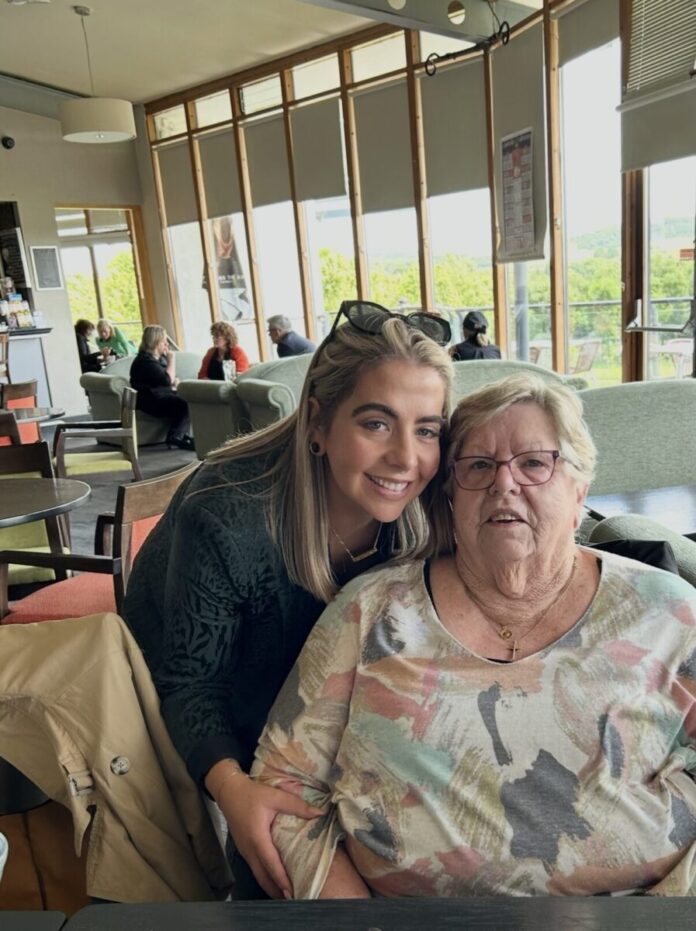
One such patient is Shannon resident Margaret Curtin (77), who recalls her amazement at being told, after having spent a night in the emergency department with bronchial pneumonia, that there was an option of continuing her recovery from home.
“Two doctors came to me on the ward and asked if I would like to go home, and then the virtual ward nurses came to explain how the system works. I’m glad my daughters were with me because they understood what had to be done, and before long we were on the way home,” Margaret recalled.
“I had two follow-up calls from the nurses on the ward every day, and they would go through the results and ask me how I was feeling, and after a week, it was all done. It was absolutely brilliant – I felt very well looked after.”
“When you have a condition like mine, which can be managed that way, the virtual ward is perfect,” she said.
“I’d opt for the Virtual Ward system all the time if I could!”
Along with St Vincent’s Hospital Dublin, UHL was at the vanguard of acute virtual wards in Ireland, opening in mid-2024 for cardiology and respiratory patients. The programme has since extended to the Midlands Regional Hospital in Tullamore.
The initial success at UHL has driven expansion of the referral pathways to include general medicine, respiratory-asthma pathway, respiratory supplementary oxygen pathway, minor stroke/TIA, rehab, orthopaedic post-operative knee and hip, gynaecology, and a respiratory pathway for St John’s Hospital. Discussions are ongoing to build new patient-specific pathways.