


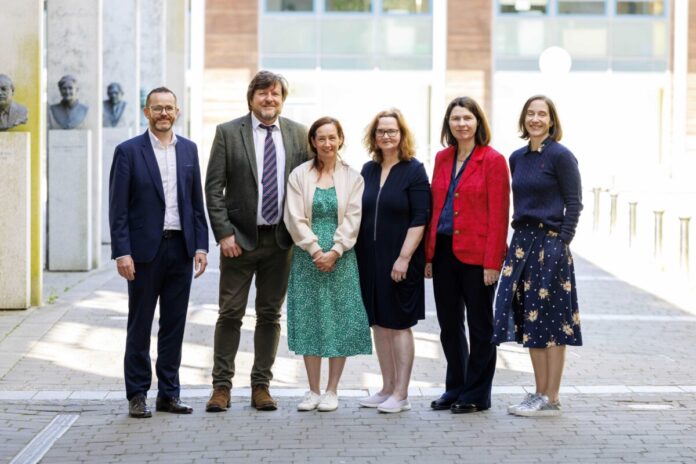
A NEW study from University of Limerick (UL) is highlighting the need for more coordinated services for young people with complex needs.
The review, led by the Research Evidence into Policy, Programmes and Practice team (REPPP) at the UL School of Law, warns that fragmented support systems can leave vulnerable young people falling through the gaps and at greater risk of significant involvement in the youth justice system.
The findings directly support Ireland’s Youth Justice Strategy 2021–2027 and its commitment to identifying best practice models of collaborative service delivery based on the ‘No Wrong Door’ principle, which holds that when a young person or family first engages with any service, they should be able to access clear pathways to all the supports they need.
The new study identifies a clear pattern in which complex needs intersect with equally complex service structures, leading to unintentional exclusion, poor service uptake, and limited outcomes. It also highlights how other jurisdictions have responded to similar challenges including changes to access and referral pathways.

Dr Seán Redmond, Adjunct Professor of Youth Justice and Director of REPPP at UL said: “We typically hear about young people who are hard to reach or whose needs are so complex that it takes a huge amount of scarce state resources to barely engage them.”
“What we hear less of is the other side of the complexity coin, the rigid and sometimes unwelcoming experience reported by some of the most vulnerable young people, of trying unsuccessfully to access services.”
No Wrong Door: A Systematic Review deliberately steps into this policy space examining the circumstances of young people pushed to the margins and sharing what the international research can tell us about better ways to get the right help at the right time that young people need and deserve.”
Lead researcher Aisling Reidy added: “When conducting this research, I wanted to better understand how we can improve young people’s engagement with services and their experience of accessing support, particularly for those with complex needs”.