


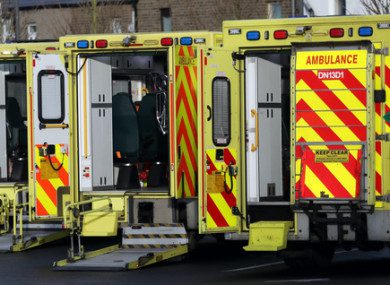
PEOPLE needing medical attention face a possible reduced ambulance service from today (Monday) after a failure between unions and the HSE to reach agreement on issues raised.
Unions have accused the HSE of failing to implement the recommendations of an independent report on updating staff salary scales to reflect changes in responsibilities and workload.
And a Limerick representative has said that strike action by National Ambulance Service (NAS) workers could and should have been averted if there had been goodwill from Government and NAS management.
Deputy Maurice Quinlivan said that paramedics, EMTs, advanced paramedics, specialist paramedics, and supervisors need a properly funded workforce plan, fair recognition for their skills, and implementation of the outstanding recommendations of the 2020 review.

Deputy Quinlivan said that “these workers are the backbone of pre-hospital emergency care. They save lives every day, yet they continue to face understaffing, burnout, frustration, and a failure to recognise their skills and responsibilities.”
“The Government and Minister for Health must ensure that the recommendations of the 2020 review are implemented without further delay.
“That means recognising the growing professionalisation of the service, addressing pay and conditions, and putting in place the staffing, regulation, management, and governance needed for a modern ambulance service.
“The Minister must intervene, show leadership, and bring this dispute to an end. Continued failure will only deepen the crisis in pre-hospital emergency care and risk further disruption to services.”
The HSE has warned that the NAS will experience delays in responding to non-life-threatening calls due to industrial action by staff.
Around 2,000 members of SIPTU and Unite are engaging in a work-to-rule today and a 24-hour strike tomorrow (Tuesday) in a dispute over pay.
The 999-phone service is fully operational and under the HSE contingency plan. Priority will be given to patients facing emergencies, such as cardiac or respiratory arrest, and those experiencing serious trauma such as that arising from road traffic incidents.
Members of the public are being urged to consider alternative healthcare options such as injury units, GP surgeries, local pharmacies and mental health supports.