


THE CAUSE of an alarming rise in the number of younger people getting bowel cancer is the subject of new international research being led from Limerick.
Researchers at University of Limerick and UL Hospitals Group will lead Ireland’s contribution to a major international study investigating why bowel cancer is on the rise among young adults.
Latest studies have revealed that those born in recent decades are much more at risk of rectal cancer compared with those born in previous generations, with one in 10 cases of bowel cancer now seen in those under 50.
The Early Onset Colorectal Cancer (ECCE) study, coordinated by the World Health Organisation’s International Agency for Research on Cancer (IARC), brings together researchers from 16 countries to uncover what is driving the global increase in early‑onset disease.

- External Walls: Up to €8,000 Grant
- Attic: Up to €1,500 Grant
- Cavity Walls: Up to €1,700 Grant
- Internal Dry Lining: Up to €4,500 Grant
The study aims to determine whether these upward trends are linked to shared global exposures or to local environmental and lifestyle factors.
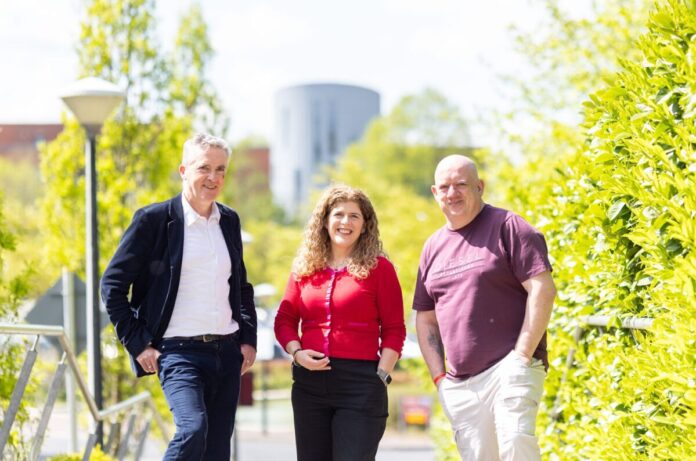
Ireland’s contribution to the international study will be led by Professor Aedín Culhane, Professor of Cancer Genomics in UL’s School of Medicine and Director of the Limerick Digital Cancer Research Centre at UL, and Professor Christina Fleming, Adjunct Clinical Associate Professor at UL’s School of Medicine and Consultant Colorectal Surgeon in the UL Hospitals Group.
Marking Bowel Cancer Awareness Month, UL’s Professor Culhane said: “The sharp rise in bowel cancer in those under the age of 50 is one of the most urgent questions in cancer research.”
“With international partners, UL will study the causes of early‑onset bowel cancer, towards the development of earlier detection, better prevention and improved outcomes for future generations.”
Professor Culhane’s team at UL’s Limerick Digital Cancer Research Centre will analyse tumour and blood samples from patients to identify DNA ‘fingerprints’ associated with early‑onset cancer.
“By reading these DNA damage ‘fingerprints’, we hope to unlock and begin to understand what is driving this rise in early onset bowel cancer. These patterns of genetic damage may reveal clues about exposures that have changed in recent decades, including diet, environment and the gut microbiome.
“Understanding why early onset bowel cancer occurs allows us to develop better strategies for early detection which we know saves lives,” Professor Culhane said.
Professor Christina Fleming, consultant bowel cancer surgeon in the UL Hospital Group who provides surgical treatment of early onset bowel cancer, will co-lead the Irish project with Professor Culhane.
Professor Fleming said: “The most common question I am asked by early onset bowel cancer patients is ‘why did this happen to me?’ As bowel cancer surgeons it is very challenging to still be unable to offer an answer to this question as the usual risk factors associated with bowel cancer are often not seen in those with early onset.
“We are thrilled that patients in the Mid West of Ireland will have the opportunity to participate in this international study.”